
Thorough Inspections
We conduct detailed inspections to identify any issues with your gas lines, ensuring that all potential problems are addressed.
Our gas line repair service includes comprehensive inspections, repairs, and necessary replacements to ensure your gas lines are safe and functional.
We conduct detailed inspections to identify any issues with your gas lines, ensuring that all potential problems are addressed.
Our team specializes in repairing leaks, using high-quality materials to ensure a long-lasting solution.
We ensure all repairs comply with local codes and safety regulations, providing peace of mind for homeowners.
After repairs, we perform safety tests to ensure your gas lines are leak-free and functioning correctly.
The type of pipe specified has a direct effect on both material and installation labor. The three materials most common in residential gas work — black steel, corrugated stainless steel tubing (CSST), and polyethylene (PE) — each bring a different balance of material characteristics and labor requirements, and the right choice depends on where the pipe runs and what local conditions demand.
Black steel is the traditional choice for interior gas piping: durable and accepted everywhere, but labor-intensive because every joint must be cut, threaded, and assembled by hand. CSST is a flexible stainless tubing that snakes through framing with far fewer joints, which can shorten installation time. PE is the modern standard for buried exterior lines because, as a plastic, it does not corrode underground.
Steel tends to be economical as a raw material but demands more skilled labor for threading and assembly. CSST often installs faster, shifting the balance toward material and away from labor. Neither is universally cheaper to install — the total depends on the length of the run, the number of joints, and how difficult the routing is. A reputable quote will spell out which material is proposed and why it suits your situation.
Soil and climate should influence the material choice. The expansive clay common across the Dallas-Fort Worth metro — including Denton County — holds moisture against buried metal and moves with wet and dry cycles, which is tough on buried steel over time. That is one reason modern underground installs favor polyethylene: it simply does not corrode. For exposed exterior piping, North Texas humidity accelerates surface corrosion, so proper coating and protection of any metal pipe — especially at risers near the meter — is part of doing the job right.
Where the pipe is located matters enormously. An exposed pipe in an unfinished utility room is the easiest scenario: the technician can see it, reach it, and work on it directly. Pipe concealed inside finished walls is a bigger undertaking — the wall must be opened, the work done, and the surface patched, textured, and repainted afterward.
Underground lines bring their own considerations. Trenching through soft, clear soil is one thing; trenching through dense clay, around tree roots, or beneath driveways, patios, and established landscaping is another. Every obstacle the trench must cross — and every surface that must be restored — adds to the project’s scope.
Excavation is often the largest single labor component of an underground gas line project. Depth requirements, soil type, and obstacles along the route all shape it. Denton County’s clay is a perfect example: it is rock-hard when dry and heavy and sticky when wet, which makes hand or machine trenching slower than in sandy soils. Add in utility conflicts that must be worked around, plus restoring lawns, beds, or hardscaping afterward, and it is easy to see why the underground portion of a job carries real weight in an estimate.
Most Texas cities, including Flower Mound, require permits for new gas line installations and for significant repair or replacement work. Permit fees and the time spent on applications, scheduling, and inspection visits are a legitimate part of a professional quote — they reflect work the contractor must actually perform, not padding.
Permit requirements exist for good reason: they ensure the work is safe, code-compliant, and inspected by the authority having jurisdiction. Homeowners should be wary of any quote that is noticeably lean because it skips permits — unpermitted gas work can cause failed inspections, insurance complications, and headaches at resale. A proper contractor treats the permit as part of the job, not an optional extra.
A properly managed gas line job generally includes preparing and submitting the permit application, coordinating the inspection visit, documenting the required pressure test, and obtaining final sign-off. Timelines vary with the jurisdiction’s workload, so the schedule — and the administrative effort behind it — differs from city to city within the Dallas-Fort Worth metro.
01
What we do: Contact us immediately for gas line repair in Flower Mound. Our technicians will locate and fix the leak quickly.
→ This ensures your home is safe and eliminates the risk of gas exposure.
02
What we do: Our team will inspect the gas lines and connections to identify any issues affecting performance.
→ You'll enjoy improved efficiency and reliability from your gas appliances.
03
What we do: We provide gas line servicing in Flower Mound to ensure safe and efficient installations.
→ This guarantees that your new appliances operate safely and effectively.
Gas Line Repair in Flower Mound requires an understanding of local building codes and common issues faced by residents. The humid climate can lead to corrosion in gas lines, making regular inspections essential. Our team is familiar with the unique challenges of the area, ensuring effective and compliant repairs. With gas line servicing in Flower Mound, we address issues promptly to maintain safety and efficiency.
Bridlewood
This neighborhood often experiences gas line issues due to older infrastructure.
Parker Square
Residents here benefit from our prompt gas line repair services, especially during extreme weather.
Lake Forest
We provide thorough inspections to ensure safety in homes with aging gas lines.
High humidity levels in summer
This can accelerate corrosion in gas lines, necessitating regular inspections and repairs.
Frequent temperature fluctuations in winter
These fluctuations can lead to pipe expansion and contraction, increasing the risk of leaks.
The timing and urgency of the work is a legitimate factor. Scheduled work during normal working hours allows efficient planning: materials ordered in advance, inspections booked in sequence, and crews routed sensibly. Work that must happen urgently — nights, weekends, or holidays — disrupts that efficiency, and quotes reflect the reality of mobilizing quickly outside normal routines.
This does not mean urgent work is a luxury; a suspected gas leak is a safety issue that must be addressed promptly, whatever the hour. But there is a useful distinction between a true safety emergency and work that is simply important — a planned appliance addition, a non-urgent reroute, a replacement you are scheduling proactively. The latter gives you time to gather multiple quotes and choose the best value rather than the fastest availability.
Think of scheduling in three tiers. A true emergency — a suspected active leak — gets immediate response, full stop. Prompt but non-emergency work, such as investigating a faint odor or a suspicious dead patch in the yard, should happen soon but can often be scheduled within normal routines. Routine work, like running a line for a future outdoor kitchen, can be planned at your convenience. Knowing which tier your project falls into helps you understand the quote — and helps you plan the budget conversation realistically.
With these factors in mind, you are equipped to evaluate quotes like an informed buyer. A useful estimate should be itemized enough to show its scope: how much pipe, what material, which appliances are served, whether trenching and surface restoration are included, and whether permits and inspection coordination are part of the price. Vague lump-sum quotes make comparison impossible; itemized ones make it straightforward.
Get more than one quote for significant work, and compare scope before comparing the bottom line — the leanest quote is not a bargain if it excludes permits, restoration, or pressure testing that the others include. Ask each contractor to quote the same defined scope so the numbers actually speak to each other, and be suspicious of any estimate given sight-unseen for anything beyond the simplest repair.
Before requesting quotes, gather the basics: where the meter sits, which appliances use gas, what symptoms you have noticed and where, the general layout of the yard if underground work is likely, and the age of the home and its piping if you know it. Photos of the meter, exposed piping, and any problem areas help enormously. The more precisely you can describe the job, the more accurate — and comparable — your estimates will be.
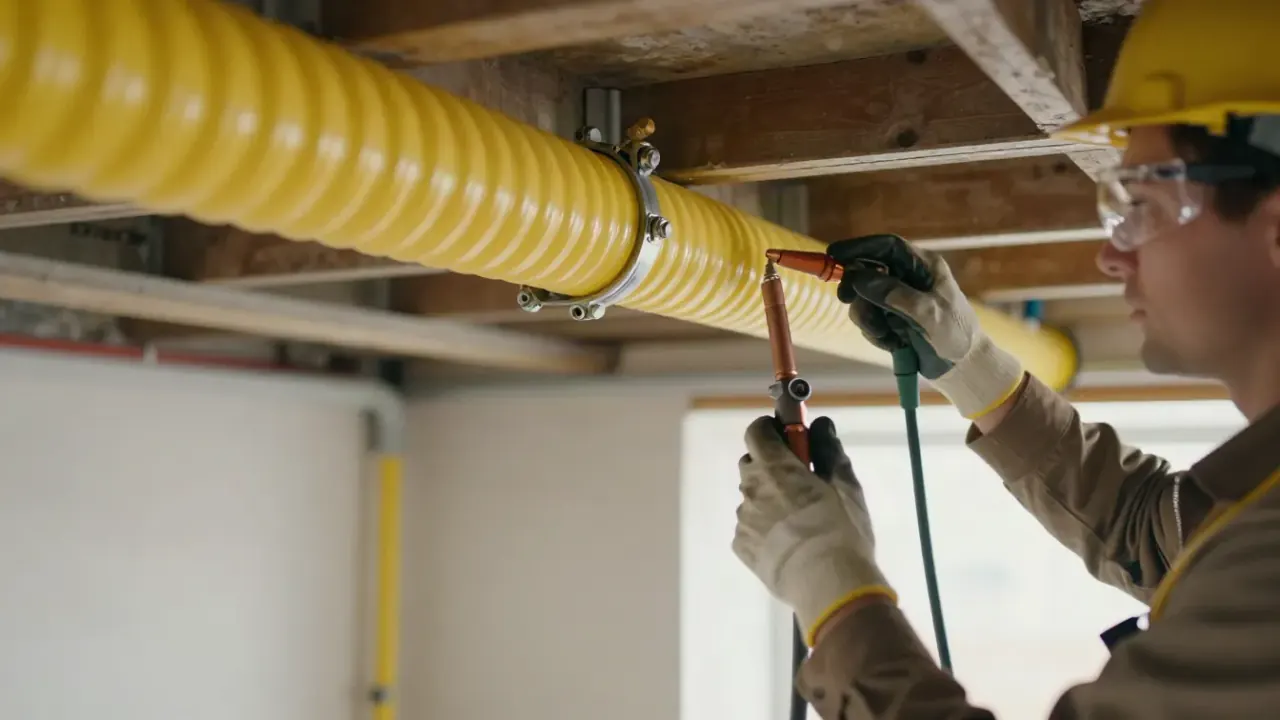
Investing in gas line repair offers numerous advantages that enhance safety and efficiency.
Enhanced Safety
Regular gas line repair significantly reduces the risk of dangerous gas leaks. By addressing potential issues early, homeowners can prevent hazardous situations and ensure their family's safety.
Increased Efficiency
Properly functioning gas lines improve the efficiency of your appliances. This can lead to lower energy bills and a more effective heating system, especially during the colder months in Flower Mound.
Longer Lifespan
Timely gas line servicing in Flower Mound can extend the lifespan of your gas appliances. By addressing wear and tear, you ensure that your systems function optimally for years.
Compliance with Codes
Gas line repairs ensure compliance with the National Fuel Gas Code (NFGC) and local regulations. This is crucial for avoiding fines and ensuring your home passes inspections.
Gas line repair costs in Flower Mound typically range from $180 to $450 in 2026, depending on the complexity of the repair. Factors such as the extent of damage, materials used, and labor involved can affect the final price. Our transparent pricing ensures you know what to expect before we start any work.
Typical Investment Range
$180 - $450 depending on scope
Our pricing reflects the quality of service and materials used, ensuring long-lasting repairs.
What changes the price
Extent of Damage
More extensive damage requires more materials and labor, increasing costs.
Materials Used
The type of piping and fittings required can impact the overall repair cost.
Labor Intensity
Complex repairs that require more time and expertise will cost more.
Google ★★★★★4.9
Quick response and professional service! They fixed my gas leak within hours. Highly recommend!
Yelp ★★★★★4.8
Excellent service! The team was knowledgeable and friendly. They explained everything clearly.
BBB ★★★★★4.7
Very satisfied with the gas line repair. They were prompt and thorough in their work.
With local experience in gas line repair, our team is equipped with the necessary skills and certifications to handle any gas-related issue.

Real experiences from customers who chose our Gas Line Repair services.
“I had a gas leak in my home, and the team responded quickly. They were professional and resolved the issue within hours. Highly recommend!”
Sarah T.
Homeowner, Flower Mound
“Their gas line repair service was excellent. They explained everything and worked efficiently. I felt safe knowing my gas lines were in good hands.”
Mark L.
Business Owner, Lewisville
“I appreciated their 24/7 emergency service. When I had a problem late at night, they were there within an hour. Great service!”
Emily R.
Resident, Highland Village
Because every job is genuinely different. The length of pipe involved, the material, whether it runs exposed, inside walls, or underground, the soil it is buried in, the number of appliances served, permit requirements, and whether the right fix is a spot repair or a full replacement — all of these swing the scope. Two houses on the same street can produce very different quotes if one needs a short interior repair and the other needs a trenched replacement through clay under a driveway.
Most policies cover sudden, accidental damage — a line ruptured by an outside event, for example — but exclude wear and tear, corrosion, and gradual deterioration, which are the most common reasons gas lines fail. Coverage also typically stops at the meter: the utility handles its side, and the homeowner’s policy (if it applies at all) addresses the homeowner’s side. Read your policy’s exclusions and talk to your agent before assuming anything.
In most Texas municipalities, permits and inspections are required for new gas line installations and significant repairs or replacements — Flower Mound is no exception. A reputable contractor will handle the permit as part of the job and schedule the required inspection, including the pressure test. If a contractor suggests skipping the permit, treat that as a red flag.
No. Gas piping work involves pressurized flammable gas, code compliance, proper sizing, pressure testing, and inspection — and mistakes can endanger your household and your neighbors. Beyond the safety risk, unpermitted DIY gas work can void insurance coverage and create serious problems when you sell the home. This is one project that belongs firmly in professional hands.
Simple repairs can often be completed in a single visit once the problem is located. Larger projects take longer: underground replacements involve trenching, inspection scheduling, and surface restoration, while full-house repipes weave through finished spaces. Permit and inspection timelines in your jurisdiction add to the calendar too — your contractor should lay out the expected sequence when quoting.
Ask whether the quote includes permits and inspection fees, what material will be used and why it suits your soil and routing, whether trenching and surface restoration are included, how the system will be pressure-tested, and what the cleanup and patching responsibilities are. Get the defined scope in writing, and make sure you are comparing the same scope across multiple quotes.
Our gas line installation service ensures your new gas lines are installed safely and comply with local codes, providing reliable service for your home.
View Gas Line InstallationRegular gas line inspections help identify potential issues before they become serious problems, ensuring the safety and efficiency of your gas systems.
View Gas Line InspectionOur gas leak detection service uses advanced technology to locate leaks quickly, preventing hazardous situations and ensuring your home's safety.
View Gas Leak DetectionWe provide professional gas appliance hookup services, ensuring your appliances are connected safely and function optimally for your home.
View Gas Appliance HookupWe're here to help you with your gas line needs. Reach out during business hours for quick responses and assistance.
Phone
(972) 432-5621Address
2209 Texas Pkwy, Flower Mound, TX 77489, USA, Flower Mound, Texas
Hours
Mon–Fri: 7AM – 7PM
Sat: 8AM – 4PM
Sun: Emergency Only
24/7 Emergency Available